
Spotlight.
Bircan Birol
INTRODUCTION
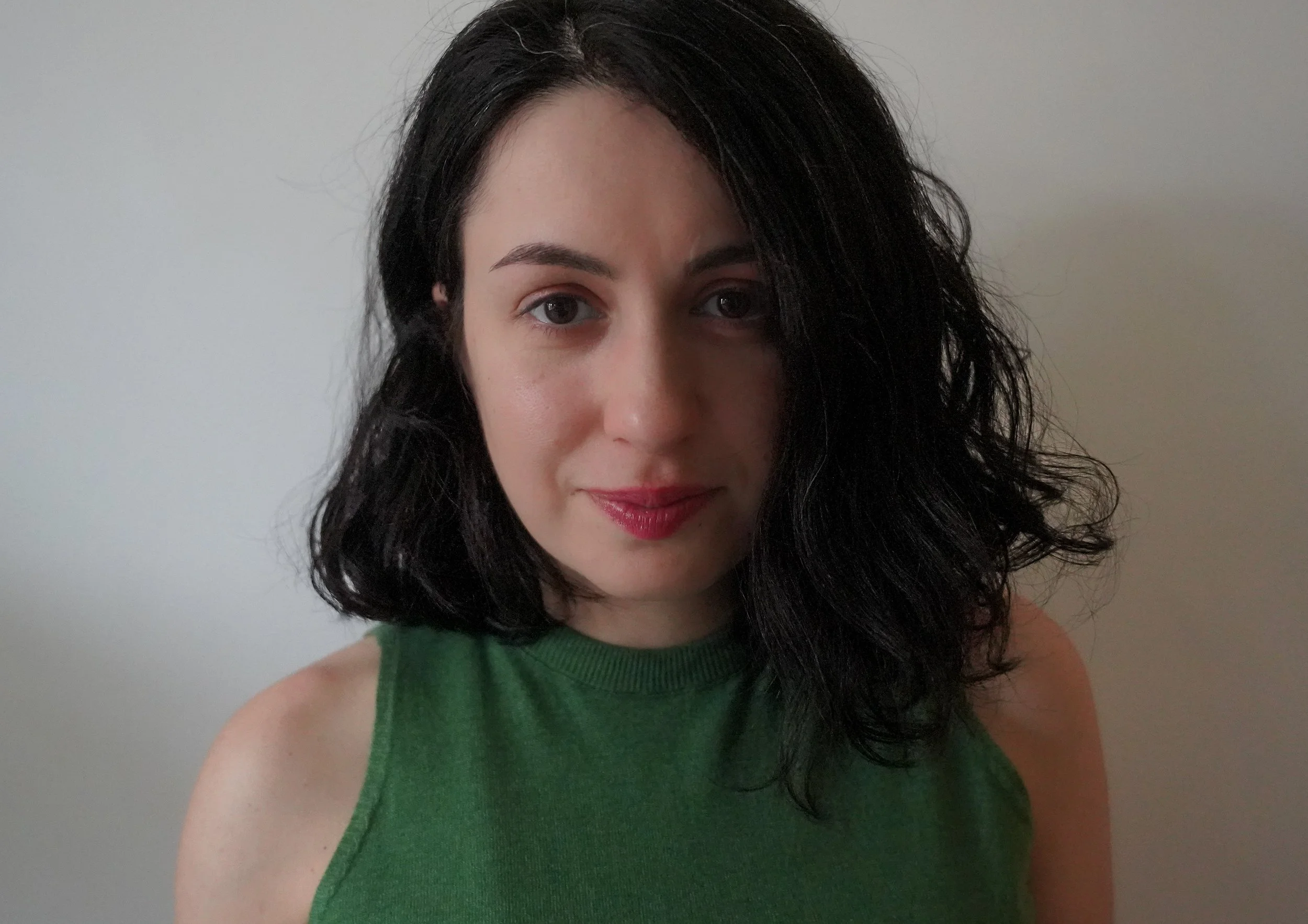
Bircan Birol is a documentary filmmaker working between Scotland and Turkey. Her short films have screened internationally at theatres and festivals such as Edinburgh International, Big Sky, Dublin, Bogo shorts, and London Short. She is currently making her first feature-length documentary with Bombito/Randan Productions, supported by Screen Scotland and the International Documentary Association, and pitched at IDFA Forum and Cannes Docs. Her work seeks to understand humanity and its diverse forms of resilience, both at the collective and personal levels, engaging with themes of belonging, justice, memory, and place.
She also works as a freelance director and camera operator equipped with an FS7 kit. She is an alumna of IDFA Academy, Close-Up Initiative, Sheffield DocFest Queer Realities Director’s Lab, Glasgow Film Festival Talent Scheme, EIFF Script Starter, Filmonomics, and Scottish Documentary Institute. She is also a BAFTA Connect member and an International Documentary Association-supported artist.
INTERVIEW
How did you get into your creative practice? What initially inspired you?
I’m not sure there was a single moment that inspired me to become a filmmaker, it was more like reaching a boiling point. Before becoming a documentary filmmaker, I was a journalist, a journalist who ran from one horrific story to another, in a country like Turkey, where politics shifts so rapidly and hurts so many people. I slowly realised that the people in those news pieces were actually invisible. But I wasn’t sure how to tell their stories, or even my own.
I properly discovered documentary filmmaking after I moved to Scotland. Maybe it was because it was a new and relatively safe space to find the answers I was looking for, or maybe because being away from everything and everyone I knew added another layer to this boiling point. Or maybe simply because there is a supportive creative documentary culture here. Who knows, maybe all of it!
I was inspired by documentary filmmakers like Agnès Varda, Patricio Guzmán, Chantal Akerman… and even, in a different way, Hayao Miyazaki. I realised how cinema could be personal, tender, gentle, yet political and effective. Holding a camera, this time less objectively and more creatively, definitely gave me a sense of accountability and freedom. Filmmaking helped me make sense of my feelings and thoughts, and to find my own voice.
What themes do you tend to interrogate in your creative practices?
I am essentially trying to understand humanity and its many forms of resilience, both collective and individual, and my work often explores themes of belonging, justice, memory, and place.
What is your favourite project you’ve ever worked on and why?
I don’t think I have a favourite project, but I can say I enjoy working most on my participatory films, where the people make their own film and I facilitate the process. They’re not the most polished films in the end, but I love them all! So far, I’ve had three projects where I worked with immigrant women, and in all of them it feels like carving out our space together in this huge world. It’s really nice to feel useful in that way.
What advice would you have for creatives of colour looking to get into your creative practices?
Please remember, you are not alone. That is the first thing. But let’s also be realistic. The film industry is huge, and it will often make you feel small and intimidated. There will be times when you want to give up, when it feels like you don’t get anywhere. You might face many rejections, and people may be quick to lecture you about your own experiences and put you in boxes. But also remember this: there are people out there who will connect with your stories and films. Hold onto them. Hold onto that first feeling that made you want to become a filmmaker in the first place, your beautiful, unique creative spark. Hold onto your authentic self. Surround yourself, if you can, with people like you: your own community in the same field, people who understand and share similar experiences, because you’ll need this support and solidarity more than ever.
What are you currently working on?
I’ve been working on my feature documentary, Your Honour, since 2019, and we’ve finally moved into the production phase. It’s a very personal story about my friend, and a little bit about myself, so it has been an emotional journey for me. After all these years of work, my biggest priority now is to bring this story to life and complete the film.